
A conference on slavery and reparatory justice held in Ghana’s capital last week is still resonating across Africa and the Caribbean, feeding into global debates on historical accountability, reparations and inequality.
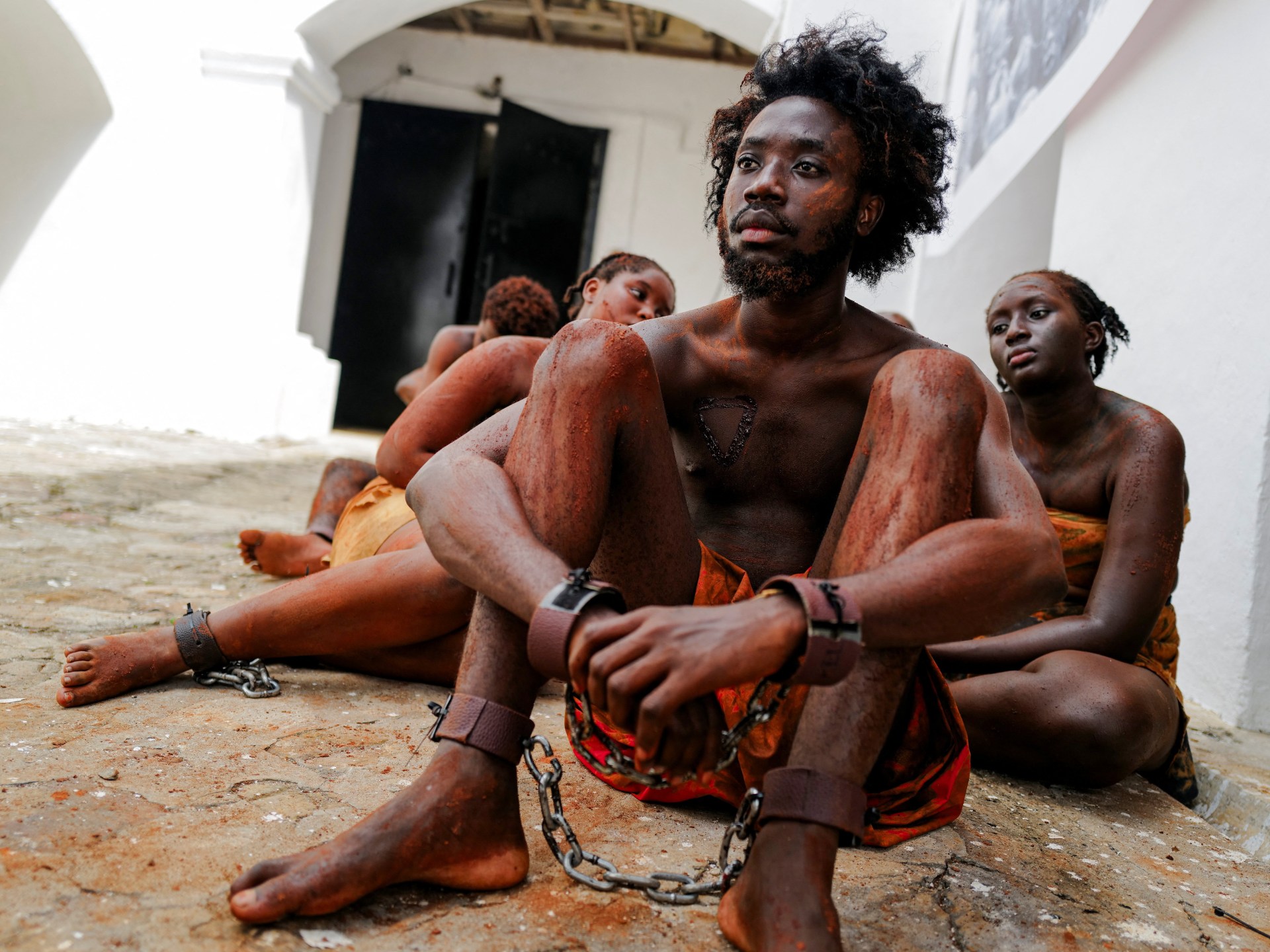
At Christiansborg Castle, also known as Osu Castle, a historic fortress overlooking the Atlantic Ocean that served as a holding point for enslaved Africans before they were shipped across the Atlantic, actors and students re-enacted scenes from the slave trade, retracing part of the journey endured by millions of African men, women and children.
The three-day “Next Steps” conference brought together heads of state, policymakers, academics, legal experts, civil society groups and representatives of the African diaspora to discuss the long-term consequences of the transatlantic slave trade and ways to advance reparatory justice.
The meeting came just months after the United Nations General Assembly adopted a landmark resolution recognising the trafficking of enslaved Africans and racialised chattel slavery as among the gravest crimes against humanity. The resolution, backed by 123 countries, was the first in the UN’s history dedicated exclusively to slavery and the transatlantic slave trade.
The Accra gathering produced a 19-point framework calling for formal apologies from countries and institutions that profited from slavery, the creation of reparations mechanisms, the return of cultural artefacts and human remains, debt relief, educational initiatives and stronger international cooperation.
Advertisement
“The enduring consequences of slavery continue to manifest through structural inequalities, economic disparities, systemic racism, cultural erasure and development challenges,” the conference outcome document said.
A West Africa and Sahel political and security risk analyst, Mubarak Aliyu, told Al Jazeera that “The Accra meeting revives the focus on the important question of reparation in financial terms, restitution of looted cultural artefacts, and the education of Africans on the horrors of the Atlantic slave trade.”
Calls for accountability
Among the countries most frequently mentioned in reparations debates are Portugal, Britain, France, Spain and the Netherlands, all of which played major roles in the transatlantic slave trade. Historians estimate that Portugal transported more enslaved Africans across the Atlantic than any other European power, accounting for roughly two-fifths of the trade, while Britain became a dominant force during the 18th century. France, Spain and the Netherlands also profited extensively from slave-trading networks and plantation economies in the Americas.
![Ghana's Foreign Minister, Samuel Okudzeto Ablakwa, attends the opening of the Slavery Reparations Conference in Accra, Ghana [Reuben Ekow Quansah/AP]](https://www.aljazeera.com/wp-content/uploads/2026/06/AP26168540033984-1782305796.jpg?w=770&resize=770%2C513&quality=80)
Calls for reparations have gained momentum in recent years, particularly among African states and among nations in the Caribbean Community and Common Market (CARICOM), which has developed a reparations agenda that includes formal apologies, development support, debt relief and programmes aimed at addressing the long-term legacy of slavery and colonialism.
Responses from former colonial powers have varied. The Dutch government formally apologised in 2022 for the Netherlands’ role in slavery. France recognised slavery as a crime against humanity in 2001. Britain has expressed regret for its role in the slave trade but has not committed to reparations. While several European governments have acknowledged the historical injustice of slavery, they have generally stopped short of endorsing direct financial compensation.
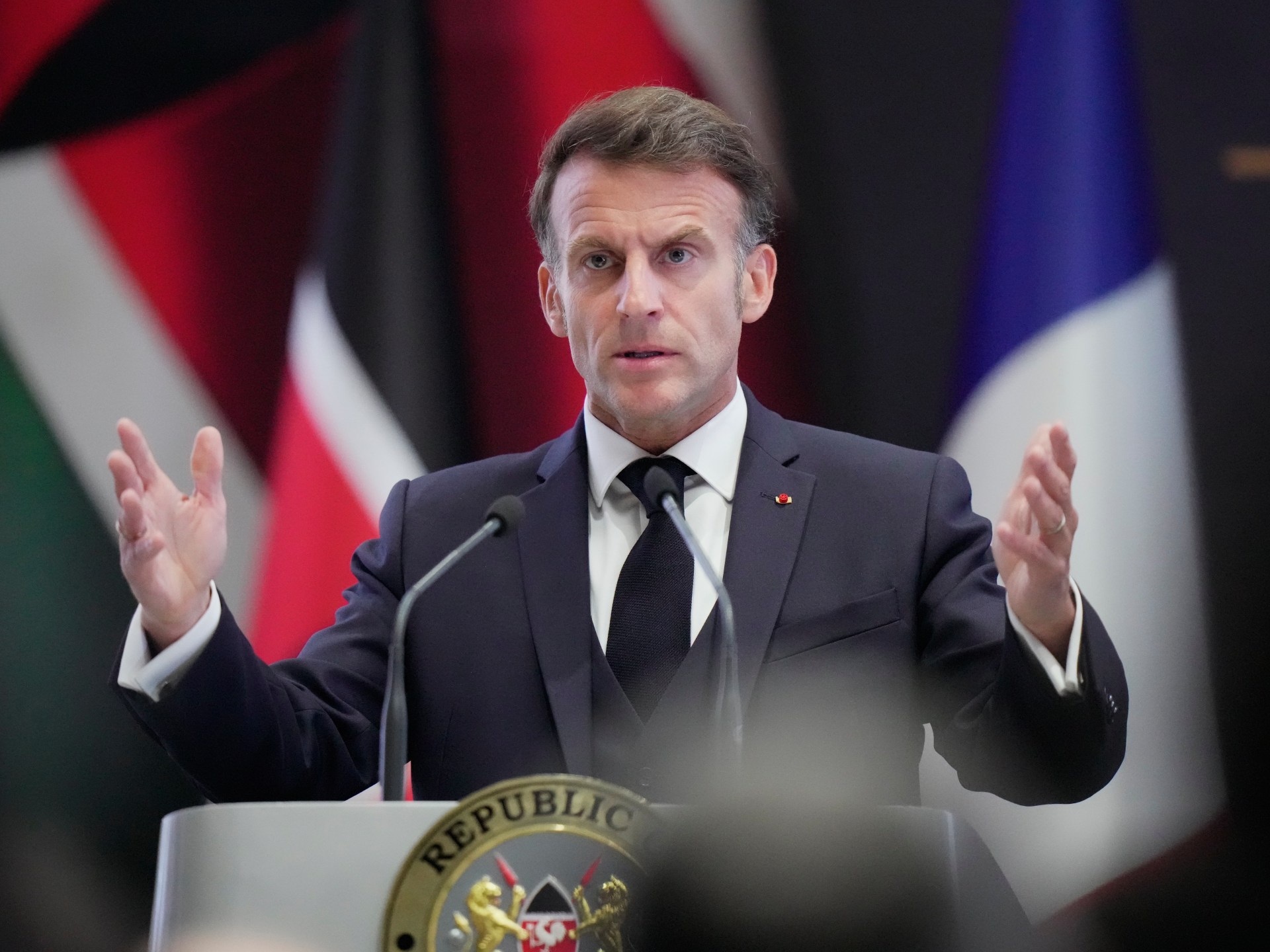
French President Emmanuel Macron, addressing the conference by video message, acknowledged the historical reality of slavery and said reparations should form part of an ongoing process of recognition and engagement.
Ghanaian President John Dramani Mahama said the conference was intended to move the debate beyond symbolism and towards concrete action. He announced the creation of three international bodies focused on reparatory justice, cultural restitution and legal affairs to help advance the agenda.
Advertisement
Aliyu also told Al Jazeera that “While meetings like this are not new, it shows the continued effort on the part of African governments to demand accountability as a precursor for more serious demands surrounding reparations. Ultimately, for these efforts to be successful, more African countries must join the process to voice these demands through a single continental front.”
A legacy that endures
Supporters argue that the legacy of slavery is not merely historical. Many scholars, activists and policymakers contend that centuries of enslavement, colonialism and exploitation continue to shape patterns of wealth, development and opportunity across Africa and the African diaspora.
A key argument raised at the conference was that inequalities rooted in slavery and colonialism continue to influence global economic structures today. Advocates say this legacy is reflected in persistent gaps in wealth, investment, development outcomes and access to international financial systems.
The conference also highlighted growing cooperation between African and Caribbean countries, which are increasingly coordinating their positions in an effort to strengthen calls for reparatory justice on the international stage. Supporters see this alignment as a way of giving greater political weight to demands that have often struggled to gain traction internationally.
From declarations to action
Yet significant challenges remain. There is no international consensus on what reparations should look like in practice, with proposals ranging from financial compensation and debt relief to cultural restitution, educational investment and institutional reforms.
![Performers re-enact the transatlantic slave trade at Christiansborg Castle, a former slave post, during a conference on follow-up to a UN resolution on trafficking of enslaved Africans, in Accra, Ghana [/Francis Kokoroko/Reuters]](https://www.aljazeera.com/wp-content/uploads/2026/06/2026-06-19T193304Z_1305395678_RC23XLAH2G38_RTRMADP_3_GHANA-SLAVERY-1782305770.jpg?w=770&resize=770%2C514&quality=80)
Some observers say the Accra meeting helped push reparatory justice back onto the global agenda following the UN resolution. Others note that translating declarations into policy will require overcoming political resistance, legal obstacles and questions about implementation.
Civil society groups, historians and diaspora organisations continue to campaign for cultural restitution, education reform and reparatory measures. For many of them, gatherings such as the Accra conference are important not only for shaping policy proposals but also for keeping the issue visible internationally.
For campaigners, however, the conference was never intended as a one-off event. Instead, they see it as part of a longer effort to secure recognition of historical injustices, encourage acknowledgement of responsibility, and build international support for measures aimed at addressing the enduring consequences of slavery.
As delegates left Accra, the message was clear: the debate over slavery, responsibility and reparatory justice is far from over.
Related News
Canada confirms opening of Gordie Howe Bridge, despite Trump’s threats
World Cup day 2: USA, Canada begin – schedule, predictions and how to watch
G7 meeting in France: What’s on agenda, who is attending?